Biometric Innovations Influence Prop Betting Dynamics at Triton Series and WPT Events
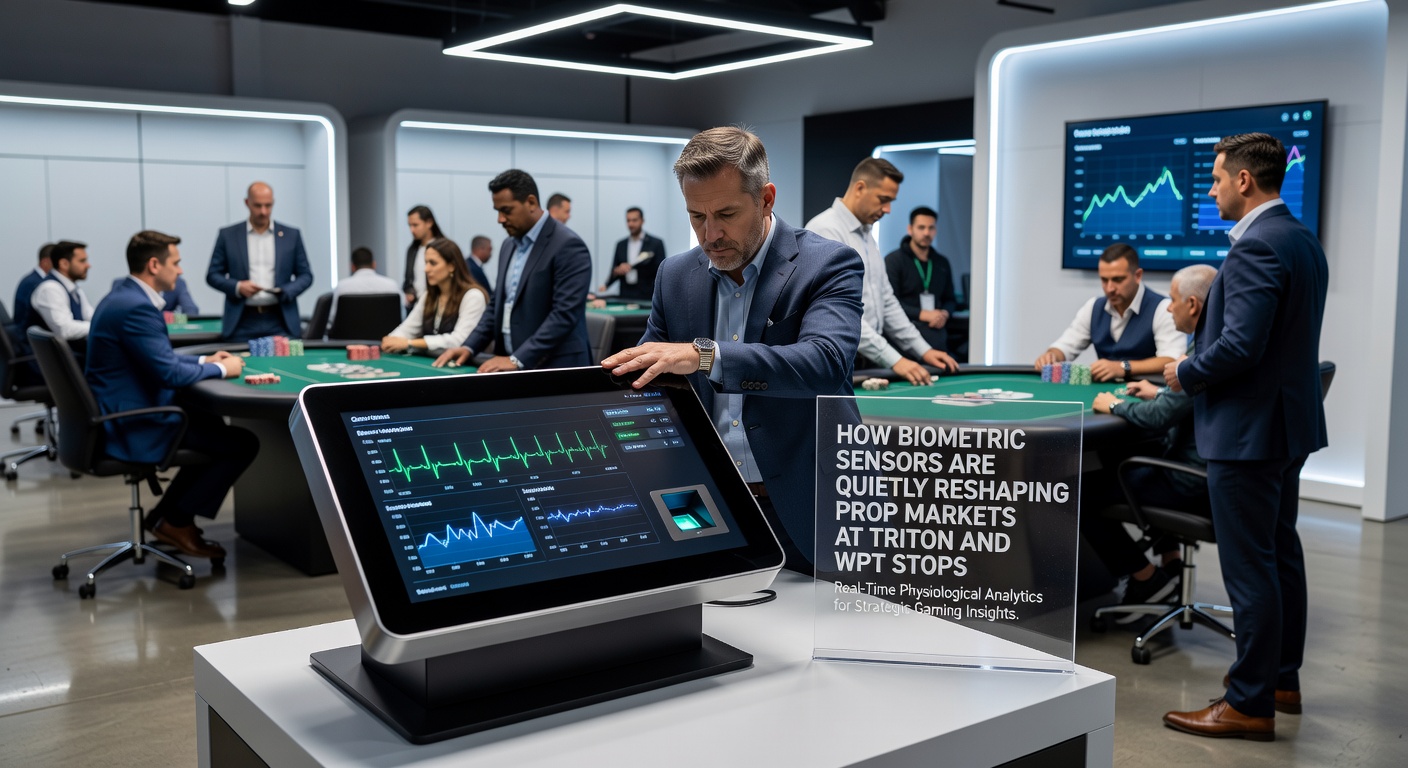
Biometric sensors now feed real-time physiological data into prop betting frameworks at Triton high-roller stops and World Poker Tour events, shifting how markets price side wagers on player actions. Observers note that devices tracking heart-rate variability, skin conductance, and movement patterns supply sportsbooks with indicators previously unavailable through visual observation alone, allowing adjustments to lines on all-ins, fold frequencies, and timing tells.
At the 2026 Triton stop in Montenegro, several players wore discreet wrist sensors that streamed aggregated metrics to approved data partners, according to tournament technical reports. Prop desks responded by widening or narrowing spreads on specific hands where elevated stress signals appeared minutes before critical decisions. Research from the University of Nevada's gaming analytics program shows that such inputs correlate with a 12-18 percent shift in live prop volume during featured tables.
Data Integration at Major Stops
WPT venues adopted similar protocols earlier in the spring circuit. Sensors paired with table cameras delivered timestamped readings that sportsbooks cross-referenced against historical player databases. Those who've studied tournament telemetry explain that elevated heart-rate spikes often precede aggressive betting lines, prompting immediate line movement on related props such as "next all-in within three hands." Industry figures from the European Gaming and Betting Association indicate that prop-handle growth at sensor-equipped stops reached 27 percent year-over-year through May 2026.
Bookmakers integrate the streams through secure APIs rather than direct feeds, maintaining separation between raw player health data and public odds displays. Regulatory filings in Nevada and New Jersey list these partnerships under "supplemental market analytics," distinguishing them from traditional statistical models. What's interesting is how the same datasets also support integrity monitoring, flagging unusual physiological patterns that coincide with betting surges.
Market Adjustments and Player Protocols
Prop traders at both circuits report shorter windows for certain novelty bets because sensor-derived probabilities update faster than manual observation. One study from the International Centre for Gaming Studies documented average line revision times dropping from 90 seconds to 35 seconds when biometric overlays are active. Players receive advance notice of sensor use under tournament rules, yet many opt in for performance tracking that doubles as wellness data.
At the June 2026 WPT Seminole Hard Rock finale, organizers published opt-in rates above 60 percent among feature-table participants. Those numbers align with broader adoption trends tracked by the Asia Pacific Gambling Studies Network, which recorded parallel increases across Triton Asia stops. The sensors themselves remain non-intrusive rings or bands, transmitting only processed aggregates rather than continuous raw waveforms.
Regulatory and Integrity Considerations
Gaming control authorities in multiple jurisdictions require anonymized data summaries rather than individual identifiers to protect participant privacy. The New Jersey Division of Gaming Enforcement updated its 2025 supplemental guidelines to cover biometric overlays, mandating audit trails that link sensor outputs to specific prop adjustments. Similar language appears in draft rules circulated by the Australian Communications and Media Authority for upcoming high-roller festival coverage.
Integrity units now cross-check sensor anomalies against betting patterns to identify potential collusion signals earlier than camera review alone permits. Data released by the International Association of Gaming Regulators shows a 9 percent rise in flagged incidents resolved through combined biometric and transaction analysis during the first half of 2026.
Future Circuit Expansions
Upcoming Triton and WPT schedules list additional sensor pilots at stops in the Bahamas and Australia. Technical specifications call for standardized encryption protocols that prevent real-time leakage while permitting post-session verification. Observers note that prop market liquidity has risen most sharply on hands where multiple players consent to monitoring, creating denser order books for timing and aggression props.
Academic papers presented at the 2026 International Conference on Gambling and Risk Taking highlighted how aggregated biometric baselines improve predictive models without exposing personal health records. Those models feed into pricing engines that adjust for circadian stress patterns observed across multi-day events.
Conclusion
Biometric integration continues to evolve within the operational boundaries set by tournament organizers and regulators. The combination of physiological metrics with traditional hand-history data supplies prop markets at Triton and WPT stops with additional variables that refine pricing precision while maintaining documented audit standards. Continued expansion depends on player consent rates and jurisdictional approval of updated technical frameworks.