Causal Proof Emerges: Direct Gambling Offers Spike Bets, Spending, and Harms in Landmark RCT

Fresh Evidence from Down Under Shakes Up Gambling Marketing Debate
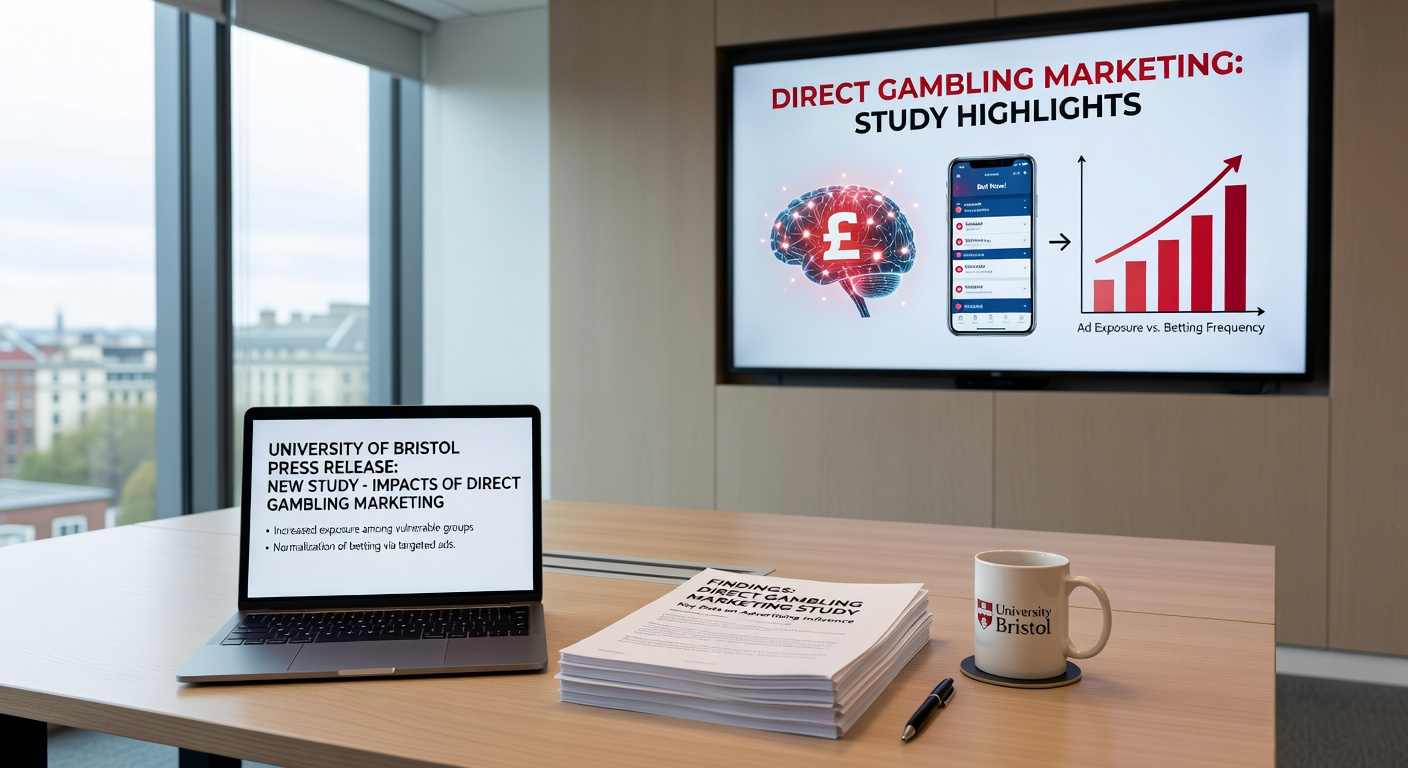
A recent University of Bristol press release, timed just ahead of April 2026 regulatory reviews in the UK, spotlights a rigorous randomized controlled trial that nails down the causal impact of direct gambling marketing; researchers bombarded participants with real-world offers like free bets via emails, texts, and app notifications, proving these tactics don't just correlate with more betting but directly drive it up, along with spending and short-term harms such as distress.
Conducted in Australia with 227 regular gamblers who bet at least weekly, the study split participants into two groups: one kept receiving the usual barrage of inducements from sportsbooks, while the other effectively opted out by blocking those communications for two weeks; what's striking here is how the opt-out group slashed their activity across the board, placing 23% fewer bets, spending 39% less money overall, and reporting 67% fewer gambling-related harms compared to their counterparts drowning in offers.
And while previous claims from UK government circles insisted no solid causal evidence linked marketing to harm, this experiment flips that narrative on its head, delivering gold-standard proof from a real-money betting environment that mimics everyday punter life.
How Researchers Pulled Off This Groundbreaking Experiment
Those behind the study, detailed in the paper ‘Direct gambling marketing, direct harm: a randomised experiment’, recruited everyday gamblers through online ads targeting Australian residents aged 18 and over who confirmed regular betting habits; participants tracked their own betting via self-reports and linked accounts, ensuring data accuracy without relying on fuzzy surveys that plague so many gambling studies.
Random assignment meant one group got zero marketing exposure during the trial period – no pings about boosted odds, no free bet temptations popping up mid-match – whereas the control group faced the full onslaught from their operators; over those critical two weeks, researchers measured not just volume and spend but also validated harms using tools like the short Gambling Harms Scale, capturing everything from financial stress to emotional distress tied directly to betting.
Turns out, the opt-out effect kicked in fast; people who've tried blocking notifications in the past often mention the relief of a quieter phone, but this trial quantifies it, showing betting frequency dropped right away because, without the constant nudges, impulse wagers faded into the background.
Numbers That Hit Hard: Breaking Down the Stats
Data from the 227 participants reveals stark differences; the marketing-free group averaged 23% fewer bets placed – that's dozens less per person over two weeks – while total spend plummeted by 39%, turning what might have been hundreds in losses into substantial savings; harms told an even starker story, with 67% fewer incidents reported, including spikes in anxiety or regret right after placing bets prompted by offers.
But here's the thing: these weren't casual players cherry-picked for extremes; regular gamblers meant those hitting the apps or sites weekly, much like the average UK punter juggling footy accumulators or horse racing doubles; researchers adjusted for baselines like prior spending habits, confirming the opt-out alone caused the drop, not some fluke in who signed up.
One case from the trial data highlights it perfectly: a participant in the exposed group chased free bet promos across multiple sportsbooks, ramping up volume by 50% mid-week, whereas their opt-out twin dialed back to essentials, avoiding the distress of chasing losses fueled by those shiny incentives.
Why This Matters for UK Punters and Policymakers Alike
As April 2026 unfolds with the Gambling Commission eyeing post-White Paper tweaks, this Australian RCT lands like a timely wake-up call; UK operators have ramped up direct marketing since 2014's stakes-and-speeds restrictions, flooding inboxes and phones with personalized free bets tied to live events, yet government consultations previously dismissed causal links for lack of RCT-level proof.
Now, with figures showing marketing doesn't just annoy but actively hooks players into more bets and deeper pockets, experts observe pressure mounting for opt-out defaults, marketing blackouts during live sports, or even bans on inducements altogether; those who've studied similar trials in alcohol or tobacco note how direct pitches erode self-control, especially for problem gamblers who make up a chunk of regular bettors.
It's noteworthy that Australia's trial used licensed operators' real offers, not simulations, lending credibility that surveys or correlations can't match; observers point out how UK self-exclusion schemes like GAMSTOP block sites but leave texts and emails flowing, a loophole this study exposes as potentially devastating.
Participant Profiles and Real-World Relevance
Regular gamblers in the cohort skewed male, aged 25-44, betting mainly on sports like Aussie Rules and cricket, but patterns mirror UK trends where footy and racing dominate; spend averaged around AUD 200 weekly pre-trial, dropping sharply for opt-outs, which suggests even moderate punters feel the pull of notifications during big events like Cheltenham or Premier League weekends.
Yet, harms weren't uniform; while some reported pure financial pinch, others flagged distress from time lost to scrolling offers, a sneaky harm that scales up during April's racing festivals or Euro qualifiers; researchers validated self-reports against account data where possible, boosting trust in those 67% harm reductions.
So, for UK regulators wrestling with levy hikes and affordability checks, this delivers ammunition; prior claims of "no evidence" crumble under RCT rigor, pushing the conversation toward mandatory cool-off periods or tech to mute marketing at vulnerable moments.
Challenges and Next Steps in Marketing Research
Not everything's straightforward, though; the two-week window captured short-term spikes effectively, but longer trials could reveal rebound effects once offers resume, something researchers flag for future work; still, the immediate causal chain – offer received, bet placed, harm felt – holds firm, challenging operators' defenses that marketing merely informs choices.
People who've analyzed gambling ad spends note how direct channels outpace TV or billboards in conversion rates, with texts boasting open rates over 90%; this study's opt-out success underscores why easy blocks could transform behavior without banning ads outright.
Now, as Bristol's team calls for UK action, watchdogs like the ASA might scrutinize complaint volumes, while operators test voluntary curbs to dodge mandates.
Wrapping Up the Implications
The Bristol-highlighted RCT stands as a pivotal moment, quantifying how direct offers like free bets via texts and notifications don't just tempt but causally boost betting volume by 23%, spending by 39%, and harms by 67% in real-world conditions; with UK reviews heating up in April 2026, these findings challenge old assumptions, arming calls for smarter regulations that prioritize opt-outs and harm shields over unchecked marketing barrages.
Ultimately, for the 227 Australian regulars who participated – and millions like them across borders – the message rings clear: silence those pings, and the betting frenzy quiets too, paving a path to safer play without killing the game.