Crowd Engagement Effects on Live Side Bets in Major Poker Circuits Around the World
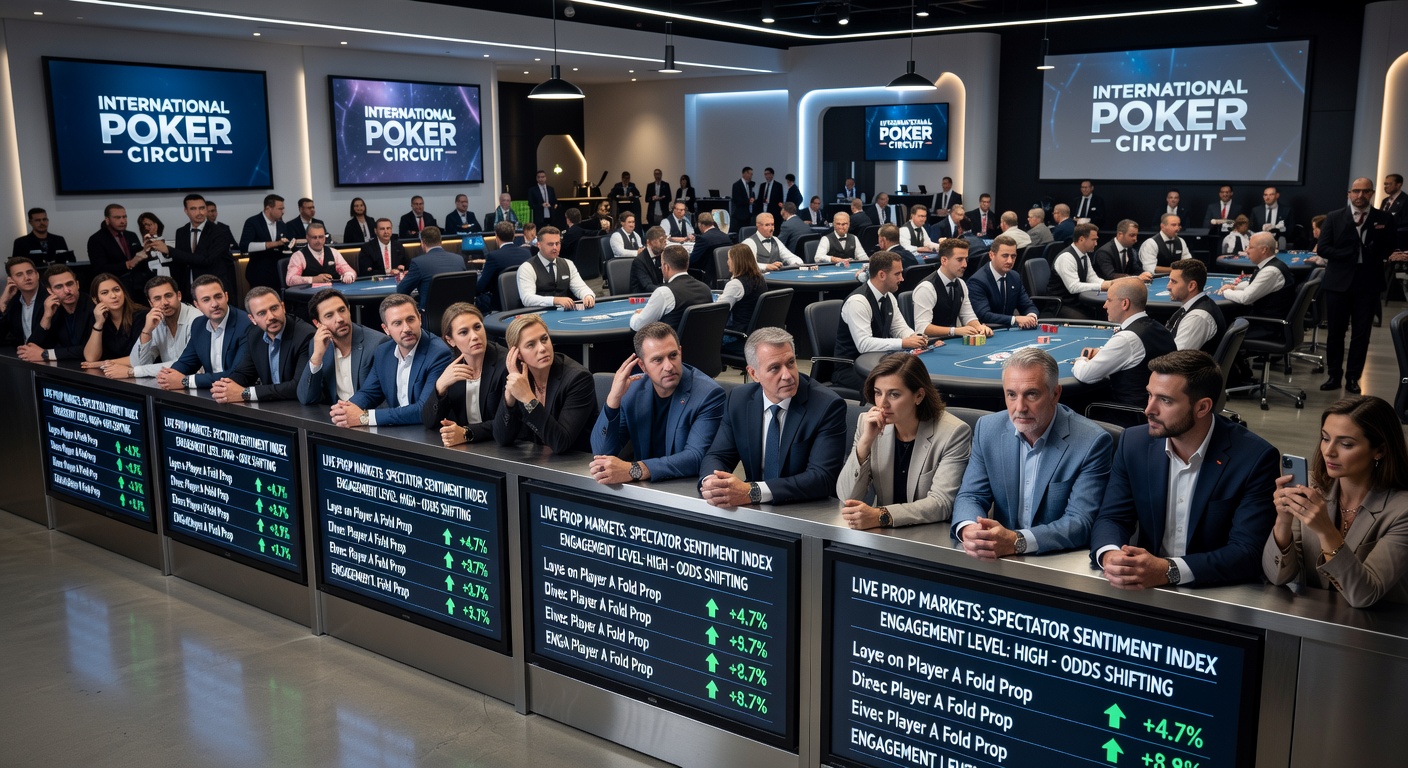
Data from international circuits shows that spectator numbers directly correlate with adjustments in live prop market odds during major events, as operators monitor real-time reactions to player actions and table dynamics throughout June 2026 tournaments. Observers note that increased audience presence often leads to sharper movements in prop lines on all-in frequencies, specific hand outcomes, and player performance metrics because bookmakers incorporate visible crowd sentiment into their pricing models while the action unfolds.
Mechanics of Live Prop Markets in Poker Circuits
Live prop markets operate through continuous odds updates that reflect unfolding tournament situations, whereas traditional pre-event betting relies on historical player data and fixed probabilities before cards are dealt. Researchers at the University of Nevada Reno documented how these markets expand during high-attendance sessions because each spectator interaction provides additional signals that sportsbooks use to refine offerings on the fly. And while the core propositions remain focused on elements like the next player eliminated or total hands played at a featured table, the volume of bets placed rises noticeably when audiences cluster around railings and broadcast feeds.
Observable Patterns Across Different Venues
International circuits including the World Series of Poker in Las Vegas, the European Poker Tour stops, and the Asia Pacific Poker Tour demonstrate consistent patterns where prop market liquidity increases alongside spectator density. Figures reveal that during peak evening sessions with over 500 on-site viewers, operators report up to 40 percent higher turnover on niche props compared to sparsely attended daytime play. Those who've studied these events point to the role of social proof, as bettors adjust their wagers after observing crowd reactions to dramatic folds or aggressive shoves broadcast on arena screens.
Regional Variations in Audience Impact
European venues tend to generate steadier prop market activity because local regulations permit more interactive spectator zones that keep energy levels consistent across multiple days of play. In contrast, North American events see sharper spikes tied to weekend crowds, according to data compiled by the Nevada Gaming Control Board. What's interesting is how Australian circuits managed by state authorities incorporate similar adjustments, with operators noting that cultural differences in crowd behavior lead to distinct prop preferences, such as higher interest in bounty-related side bets during Triton and Merit series events.
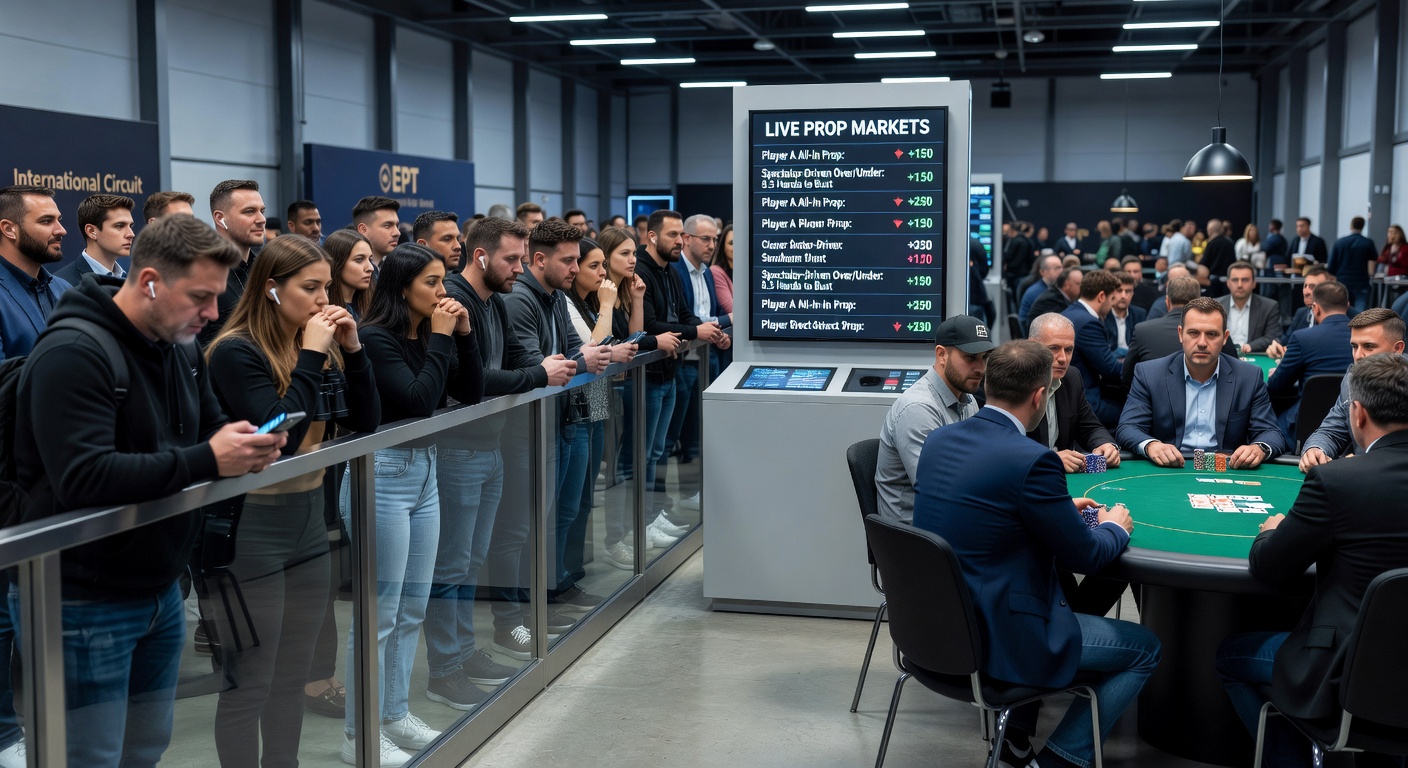
One study from the Australian Institute of Criminology examined transaction logs across multiple 2025-2026 festivals and found that venues with integrated spectator apps saw faster odds convergence on popular props because fans could place micro-bets directly from their seats. This integration creates feedback loops where visible audience enthusiasm prompts immediate line movements that then attract further wagers from remote bettors watching streams.
Technology and Real-Time Adjustments
Modern sportsbooks deploy algorithms that factor in social media mentions and on-site noise levels alongside traditional poker metrics when recalibrating live props. Experts have observed that during June 2026 high-roller events, these systems processed crowd-generated data points to shift lines on player-specific props within seconds of notable reactions from the rail. The result appears in tighter spreads on high-profile tables where spectator engagement remains elevated for extended periods.
Conclusion
Evidence from multiple circuits indicates that spectator engagement continues to serve as a measurable variable in live prop market operations, driving both volume increases and more responsive pricing across international poker events. Operators adapt their models to account for these influences, while regulatory frameworks in various regions monitor the resulting market behaviors to maintain compliance standards.