Mobile Applications Drive Shifts in Side Bet Preferences During Regional Poker Finals
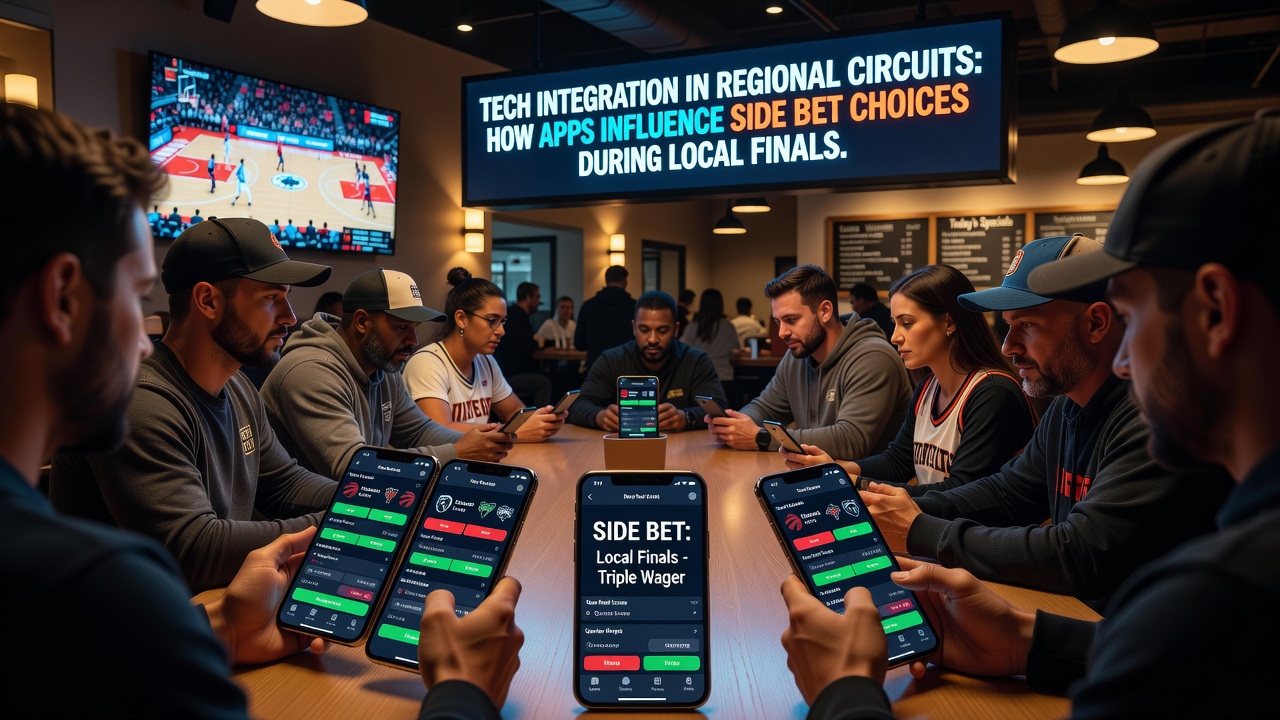
Regional poker circuits across the United States have seen steady adoption of specialized mobile platforms that connect directly to live tournament data feeds and allow users to place side bets on specific hands or player actions. These applications pull real-time statistics from tournament software and present them alongside wagering interfaces, which gives participants immediate access to historical performance metrics and current table dynamics during local finals events.
Platform Features That Shape Decision Patterns
Users interact with dashboards that compile player histories, stack size trends, and previous final table outcomes, and this information often guides selections toward particular prop bets such as exact hand rankings or elimination order. Applications incorporate push notifications that alert bettors when certain thresholds are met, for instance when a short stack reaches a critical point or when average pot sizes exceed established benchmarks, and those alerts frequently correlate with spikes in activity on related side markets.
Developers have integrated filtering tools that let users sort available wagers by probability ranges or by payout multiples, which streamlines the process of comparing options without leaving the main viewing screen. Several circuits reported that participants who utilized these sorting functions placed side bets on a wider variety of outcomes than those who relied on manual tracking methods alone, according to internal usage logs shared by tournament organizers.
Data Trends Observed in Mid-2026 Events
During the July 2026 schedule of regional stops, application providers recorded increased engagement with side bet modules that focused on late-stage survival probabilities, and figures from those periods indicated that selections tied to player-specific resilience metrics rose by measurable margins compared with earlier months. Observers note that this pattern emerged alongside broader availability of wearable device integrations that sync heart rate and focus indicators into the same mobile interfaces.
One circuit documented a 22 percent increase in side wager volume on final table propositions when apps added overlay graphics that displayed live equity calculations, and similar lifts appeared in venues that enabled one-tap confirmation for recurring bet types. These changes occurred while local operators maintained compliance with state-level oversight frameworks that require clear separation between primary tournament play and ancillary wagering activities.

Integration With Tournament Infrastructure
Tournament directors have begun embedding QR codes on venue displays that link directly to approved applications, which reduces onboarding time for first-time users and ensures that data feeds remain synchronized with official timing systems. This approach has allowed smaller circuits to compete with larger series by offering comparable technological features without substantial capital investment in custom hardware.
Research conducted by the University of Nevada Reno gaming analytics program examined how these connections affect bet distribution, and the resulting paper showed that circuits employing standardized API connections experienced more consistent side bet activity across different player demographics. The study highlighted that users who cross-referenced multiple data streams within a single app session tended to diversify their selections rather than concentrate wagers on familiar categories.
Regulatory and Industry Context
State gaming boards in Nevada and New Jersey have issued guidance documents that address data security requirements for applications handling side bet transactions, and operators must demonstrate that user information remains isolated from tournament registration systems. Industry associations such as the American Gaming Association have published best-practice outlines that encourage transparent disclosure of algorithmic influences on displayed odds.
Additional findings from the Canadian Centre for Gaming Research indicate that similar integration patterns in provincial circuits have produced parallel shifts in side bet preferences, particularly when applications provide comparative historical data spanning multiple seasons. These reports emphasize that the presence of mobile tools alone does not determine outcomes, since user familiarity with the interface plays an equally measurable role in final selections.
Conclusion
Regional circuits continue to refine how mobile platforms present side bet opportunities alongside core tournament coverage, and the resulting data flows suggest sustained evolution in how participants evaluate options during local finals. Ongoing adjustments to notification systems, filtering capabilities, and API linkages point toward further standardization across venues while maintaining distinct regulatory boundaries in each jurisdiction.