Prop Bet Preferences Shift Across Expanding Global Poker Tournaments
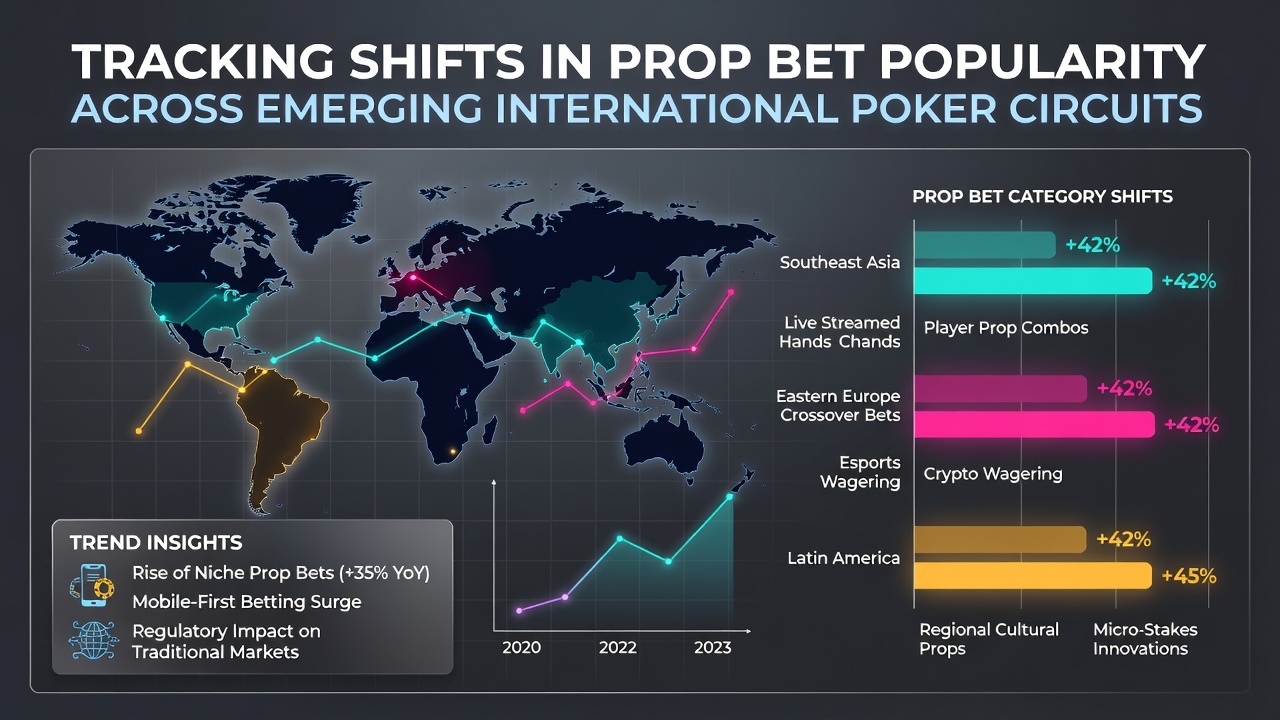
Prop bets have long formed a side element within poker tournaments yet recent figures from circuits outside traditional hubs point to clear changes in which wagers draw the strongest interest, and these patterns appear tied to the arrival of new player groups along with fresh event structures in regions such as Latin America and Southeast Asia.
Regional Circuits Show Distinct Prop Trends
Events held in Brazil and Mexico during the first half of 2026 recorded higher volumes on bounty-related props compared with earlier years while all-in frequency bets gained traction in circuits across Thailand and the Philippines, and observers attribute these movements to larger fields that include more recreational entrants who favor straightforward payout structures over complex side wagers.
Data collected at the Merit Poker Carmen Series and similar stops indicates that knockout props now account for roughly 35 percent of prop activity in those markets, up from 22 percent two years prior, whereas classic hand-match props have slipped in relative share because participants seek quicker resolutions during extended sessions.
Data Patterns Emerge from Multiple Sources
Figures released by the Australian Gambling Research Centre reveal parallel movements in the Asia-Pacific zone where live prop markets at Triton-linked events have expanded options around river-card outcomes and short-stack survival, and these additions coincide with a 19 percent rise in overall prop turnover between 2024 and 2026.
Meanwhile Canadian Centre for Gambling Research reports note that South American circuits have introduced mobile prop interfaces that allow real-time adjustments, which in turn has lifted participation rates among younger entrants who prefer digital interfaces over traditional floor-side betting.
July 2026 Events Highlight Further Movement
During July 2026 tournaments scheduled in emerging venues such as Buenos Aires and Manila, sportsbooks reported a surge in props tied to player bounties and final-table pay jumps, and this activity occurred alongside steady growth in fields that now regularly exceed 800 entrants per main event.
Organizers have responded by expanding prop menus to include cumulative all-in counts and average stack-size milestones, adjustments that match observed demand and reduce the dominance of older prop categories that once centered on specific card combinations.
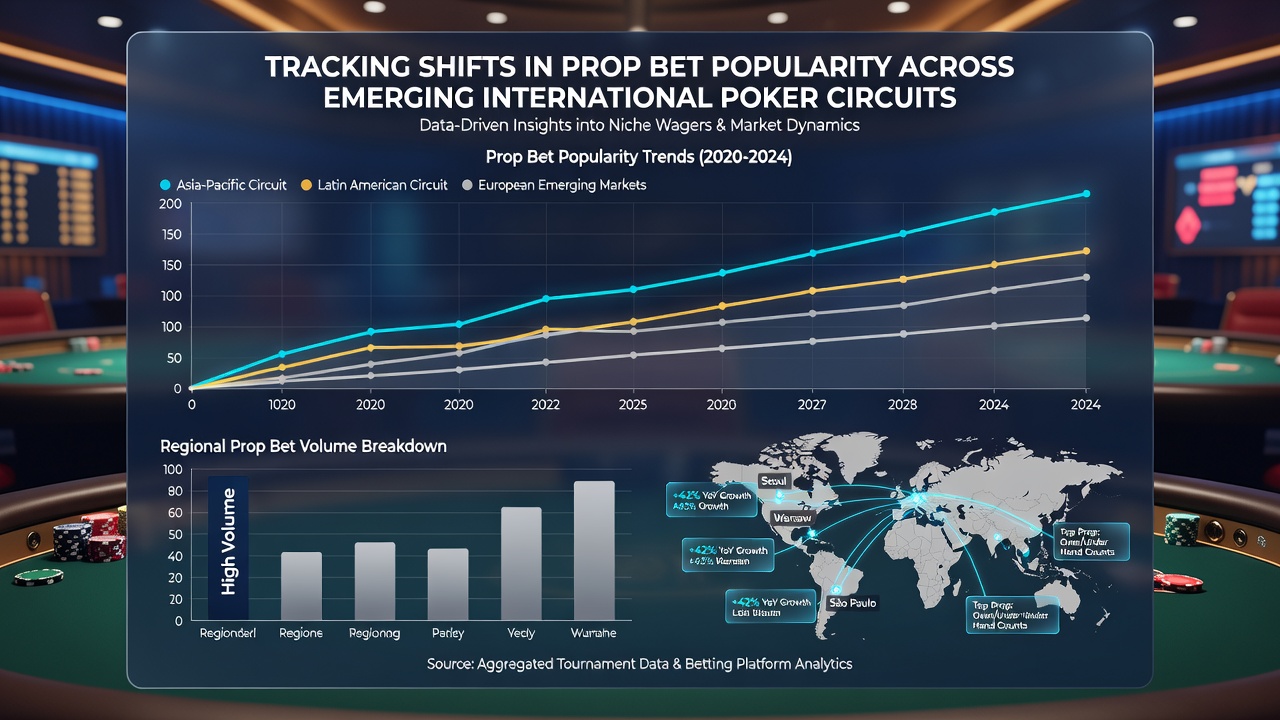
Player Demographics Influence Market Evolution
Demographic shifts play a measurable role because circuits in new markets attract participants with less exposure to classic prop lines, and this group tends to cluster around props that deliver immediate feedback rather than those requiring extended tracking throughout multi-day events.
Industry reports show that props centered on early exits and bounty accumulations have become staples at these stops while props involving precise hand rankings or suit-specific outcomes have declined in volume because they require deeper rules knowledge that newer audiences have not yet developed.
Technology Supports Expanded Options
Digital platforms integrated at several Latin American and Asian venues now allow prop bets to update live based on chip counts and table dynamics, and this capability has supported the rise of dynamic lines that adjust during play rather than remaining fixed at registration.
Those platforms also generate granular records that tournament operators and betting operators use to refine future offerings, creating a feedback loop that accelerates the pace at which less popular props are replaced by variants that match current demand patterns.
Conclusion
Tracking these movements shows that prop bet activity within emerging international poker circuits continues to diversify in line with changing player bases and technological support, and ongoing data collection from regional events will likely reveal further adjustments as these circuits mature through the remainder of 2026 and beyond.