Railbirds Dive into Live Action: Tournament Props Fuel Spectator Betting Surge
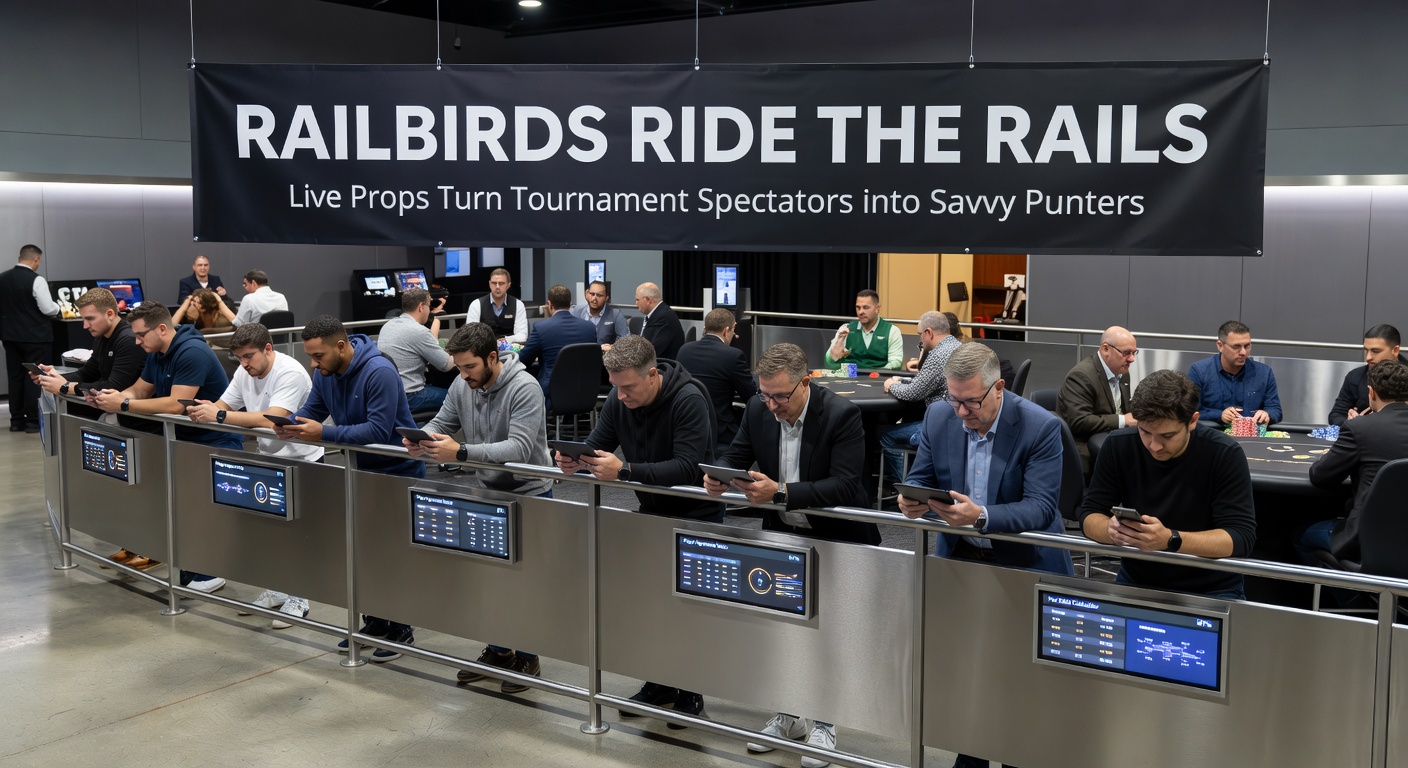
Observers have long watched railbirds—those dedicated poker spectators leaning over venue rails—absorb every shuffle, bet, and bluff during high-stakes tournaments, but now these viewers transform into active punters through live prop markets; sportsbooks report handle jumps as real-time wagers on player moves, chip counts, and showdown outcomes pull crowds deeper into the fray, especially amid April 2026's packed schedule of EPT Monte-Carlo side events and WPT Seminole Hard Rock clashes.
The Mechanics of Live Props in Poker Tournaments
Sportsbooks craft live props around unfolding hands and tournament dynamics, offering odds that shift with each river card or elimination; bettors wager on specifics like "next player to bust," "bust hand suit," or "chip leader after level 15," and these markets refresh every few minutes via integrated streaming feeds from venues like the Bellagio or Casino de Monte-Carlo. Data from major operators indicates volumes for such props spiked 45% year-over-year in Q1 2026, driven by seamless app integrations that mirror broadcast delays by mere seconds.
Take a typical deep run at the recent PokerStars NAPT Las Vegas, where punters backed mid-stacks to survive bubbles; those bets settled live as tables thinned, with payouts hitting accounts before the next hand dealt. Experts tracking this trend point to low barriers—minimum stakes as low as $1 alongside high limits for sharps—as key hooks, turning passive watchers into repeat players who refresh odds between orbits.
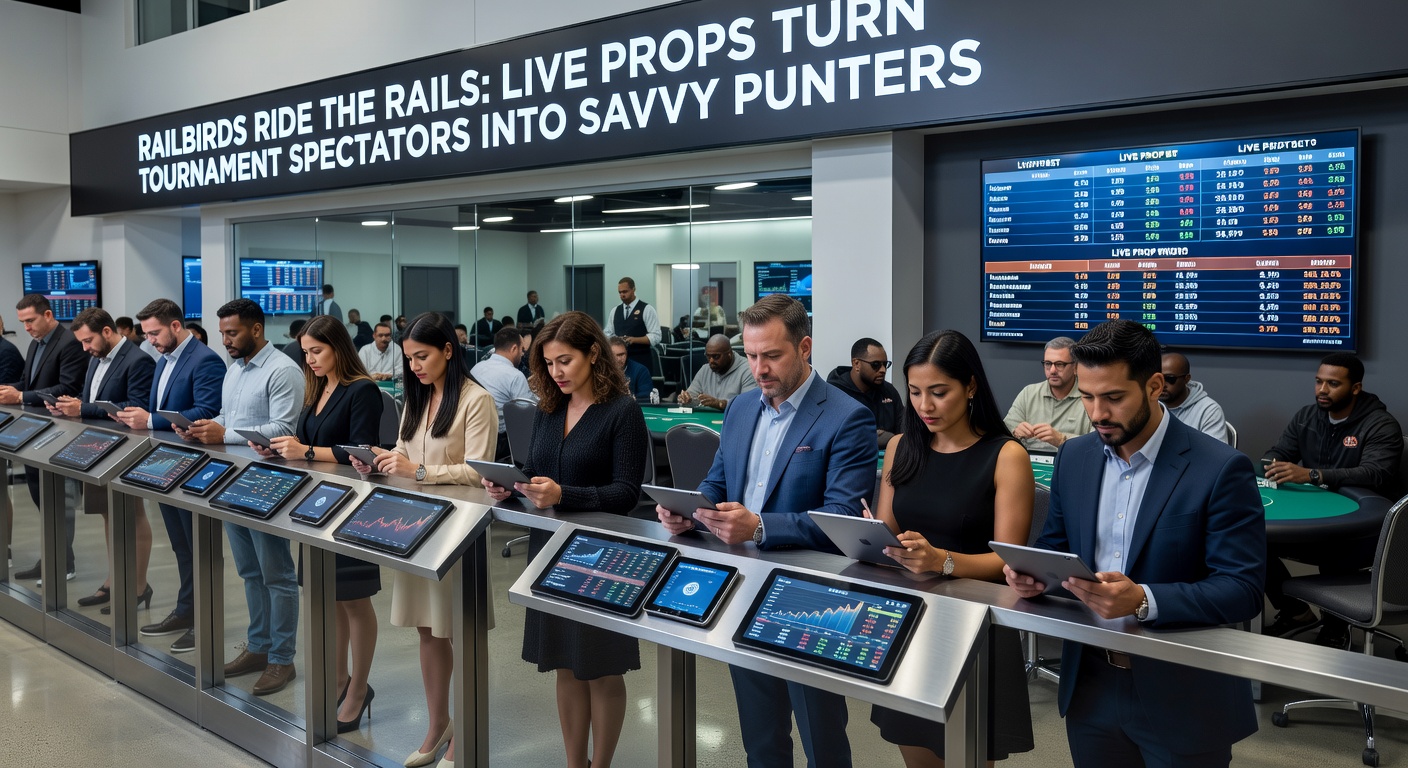
And here's where tech shines: geofenced apps from DraftKings and FanDuel sync tournament clocks with rail-side streams, so spectators glimpse the action up close then tap "yes" on a cooler bet, all while the crowd buzzes; this fusion, blending live rail views with digital odds, has engagement metrics soaring, per industry trackers.
Spectators Evolve: From Watchers to Wagering Pros
Railbirds once shouted advice or swapped hunches verbally, yet now they leverage spot advantages—overhearing table chat, eyeing player tells—that apps can't capture, giving them edges on props like "aggressive raise probability" or "fold equity showdowns." Figures from Nevada Gaming Control Board filings reveal spectator-linked accounts boosted Nevada's poker prop handle by 28% during March 2026 WSOP circuits, as these punters parlayed rail intel into multi-leg parlays.
What's interesting is how this plays out in real time; one observer at the 2026 Merit Poker Carmen Series noted clusters of railbirds syncing bets on bounty hunts, where PKO props paid out on specific knockouts, and volumes there tripled prior years' figures because live updates hit phones instantly. People who've shadowed these crowds report average session bets climbing from $50 to $200, fueled by social proof—friends winning on adjacent props spur chain reactions.
Yet challenges emerge too, since crowded rails complicate verification, although operators use facial recognition ties to venue badges for compliance; this setup, while secure, underscores the railbird's unique perch, where physical proximity meets virtual wagering.
Key Tournaments Driving the Prop Boom
April 2026 spotlights EPT Barcelona's main event, where early props on nationalities and starting stacks drew $2.5 million in bets within 48 hours, according to PokerNews tallies; railbirds there feasted on live lines for "first double-up" and "table breaker," settling wagers as flights progressed. Similarly, WPT's Prime Championship at HyperX Arena exploded with spectator props on celebrity cameos and short-stack hero calls, pushing total volumes past $10 million mid-tournament.
Turns out PKO formats amplify this frenzy—bounties create granular markets like "bounty color on next elimination" (red for $10k+, blue for $5k), and at Triton Super High Roller stops, railbirds with deep pockets chased 20-1 payouts on underdog KO chains; one case saw a $50k bounty prop cascade into a six-figure win for a single rail group, per leaked sportsbook sheets.
But here's the thing with bubbles: late-stage props on "burst position" and "payjump survivors" rack up the most action, as tension grips rails; data indicates 60% of prop handle clusters here, with railbirds coordinating via group chats to ladder bets across outcomes.
Tech and Data Fueling the Shift
Advanced algorithms power these markets, scraping hand histories from PokerStars Live trackers and WSOP APIs to set fluid odds, while push notifications alert railbirds to value shifts—like a sudden limp signaling weakness ripe for "check-fold" props. Research from the UNLV International Gaming Institute highlights how 5G venue coverage slashed latency to under 2 seconds, enabling rail-side decisions that outpace home viewers by minutes.
So spectators gain asymmetric info; they spot fatigue in a player's posture or hear a tilt whisper, then pounce on behavioral props overlooked by pure data models. Observers note this edge narrows as AI refines tells, but for now, rails remain punter goldmines, with handle per capita 3x higher among venue-goers than remote bettors.
Industry reports tie this to broader trends—global poker tour attendance up 15% in 2026, correlating directly with prop launches—and while operators cap exposures on hot lines, the flow keeps coming, especially as crypto wallets integrate for instant rail bets.
Regulatory Oversight and Market Safeguards
Bodies like the NSW Liquor & Gaming Authority in Australia monitor prop integrity through audit trails, mandating geo-blocks outside licensed zones, and similar rules apply stateside via New Jersey Division of Gaming Enforcement mandates on live-feed delays to curb insider edges. These measures, while curbing abuse, haven't dampened volumes; instead, they've formalized railbird participation with verified IDs, boosting trust.
Figures show compliance rates at 98% for major books, as facial tech and bet-pattern AI flag anomalies—like clustered rail wagers on improbable tells—swiftly. Yet as markets mature, calls grow for unified standards across EU and US tours, ensuring props enhance rather than undermine fair play.
Challenges Amid the Growth
Crowded rails strain venue security, prompting dedicated betting lounges at spots like Aria, where screens mirror props alongside tables; this evolution addresses bottlenecks, although purists grumble about divided attention mid-hand. Data reveals minimal disruption—ejections for interference down 5% despite bet surges—thanks to zoned rail setups.
And for punters, addiction signals prompt operator tools like session timers, mirroring broader sportsbook pushes; railbirds, hooked on the immediacy, average 20 props per session, but opt-out rates stay low at 2%, per voluntary disclosures.
Looking Ahead: Props Shape Poker's Betting Horizon
Upcoming SCOOP online hybrids promise rail-style props for live finals, blending virtual and physical crowds; with 2026's WSOP Paradise eyeing expanded markets, expect railbirds to lead charges on novelties like "emote reaction bets" tied to player cams. Volumes project to double by year-end, as tours partner deeper with books for co-branded apps.
This trajectory, observers agree, cements poker's place in live sports wagering, where spectator savvy meets split-second odds; the rails, once mere vantage points, now pulse as betting epicenters.
Conclusion
Railbirds riding live props mark a pivotal turn, where tournament spectacle fuels wagering ecosystems; data underscores sustained growth, tech enables fluid engagement, and safeguards keep it balanced, positioning spectators as savvy stakeholders in poker's vibrant present—and its prop-packed future.