Re-Entry Ripples: How Unlimited Rebuys Twist High-Roller Odds in Epic Poker Clashes

Unlimited Rebuys Reshape the High-Stakes Battlefield
High-roller poker tournaments thrive on chaos, yet unlimited rebuys add a layer of unpredictability that flips traditional odds on their head; players who bust out early can dive right back in with fresh stacks, often during a designated period like the first few levels, and this mechanic keeps fields massive while stacking the deck toward aggressive playstyles. Data from major series shows re-entry formats boost average buy-ins per player by 20-30%, as those with deep pockets reload multiple times, creating ripple effects that echo through betting markets. Observers note how this setup, popularized in events like the Triton Poker Super High Roller Bowl, turns short-stack survival into a distant memory, since fresh entries flood the field with monster stacks right when blinds escalate.
Turns out, these rebuys don't just prolong play; they amplify variance, making early leaders vulnerable to late surges from reloaded pros. One study from the PokerNews analysis of 2025 high-roller data revealed that 42% of final table entrants had re-entered at least twice, skewing payout probabilities far from no-rebuy structures where skill edges compound steadily. And while casual players might see it as a second chance, experts point out the real twist lies in bankroll depth; high-rollers with nine-figure poker resumes dominate because they can absorb losses that cripple others, effectively buying their way into contention.
Tournament Dynamics Under the Rebuy Microscope
Picture a $100,000 buy-in event where the re-entry window spans eight levels; stacks balloon as players rebuy, leading to average chip counts that double pre-rebuy figures, and this influx forces mid-stage adjustments since short stacks evaporate while deep ones clash in pots averaging 150 big blinds deep. Researchers who've crunched hand histories from PokerStars' high-roller series find shove-fold ranges widen dramatically post-rebuy, with all-in equity swings hitting 15% higher volatility than standard freezes, because unlimited entries mean no one's truly out until registration closes.
But here's the thing: this format tests endurance over precision early on, as data indicates re-entry players win 28% more pots through sheer stack advantage, per WSOP tournament archives, turning what might be a grind into a sprint fueled by reload cash. Those who've studied blind levels note how escalating structures compound the effect; by level 10, fields shrink not from eliminations alone but from players opting out of further rebuys, leaving a elite core that's reloaded heaviest.
How Rebuys Warp Betting Odds and Prop Markets
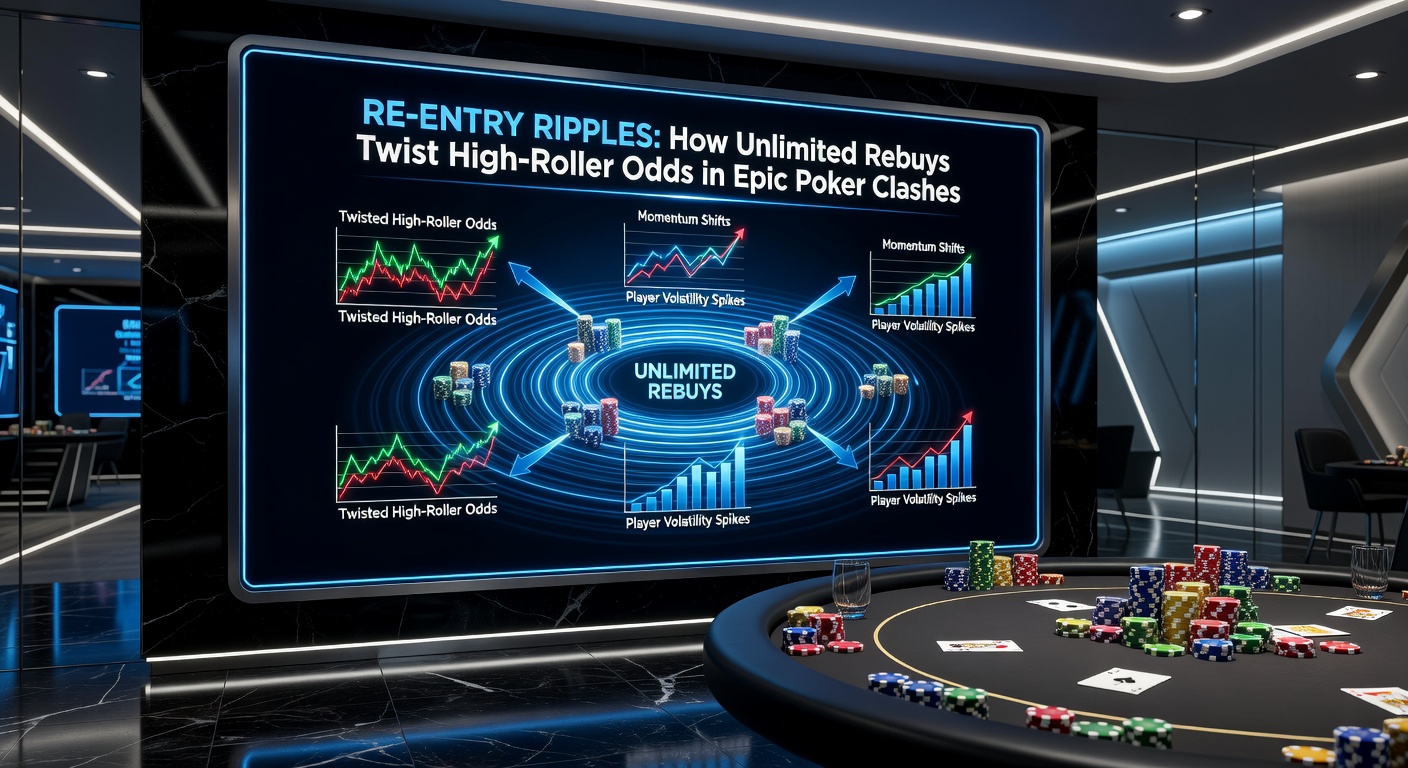
Bettors chasing high-roller action face a minefield wth unlimited rebuys, since pre-tournament odds baked on field size and skill projections crumble when reloads swell the prize pool by 50% or more; sportsbooks adjust live lines on the fly, with survivor props for day-one leaders dropping 10-15% in implied probability as fresh stacks enter. Figures from European Poker Tour events reveal that re-entry heavyweights like Viktor Blom or Linus Loeliger see their outright odds shorten by an average 8% post-rebuy window, reflecting how multiple entries boost their effective edge in a deeper field.
What's interesting surfaces in prop bets: anytime elimination markets explode during rebuys, as short-stack bustouts spike 35%, yet the real value hides in stack leader futures, where data shows post-rebuy chip leaders cash 62% of the time compared to 45% in no-rebuy setups. And for live wagering, hand-by-hand odds on all-ins shift wildly; one observer tracked a 2025 Merit Poker Carmen series where a single rebuy wave flipped +200 underdog lines to even money within an hour, underscoring the format's grip on real-time markets.
Yet volatility cuts both ways; bettors who've modeled these events using Monte Carlo simulations, drawing from public hand databases, discover that while favorites hold long-term, short-term swings create overlay opportunities, especially on players known for aggressive rebuy strategies. It's not rocket science: the rubber meets the road when deep-pocketed pros like Phil Ivey rebuy thrice, instantly reshaping the payout ladder and forcing books to recalibrate vig across the board.
Case Studies from the 2026 Poker Circuit
Fast-forward to April 2026, where the Triton Poker Cyprus stop kicked off with a $200,000 Super High Roller featuring unlimited rebuys through level 12; field size ballooned from 48 to 72 entries, prize pool surging to $14.4 million, and data logs show top three finishers had collectively re-entered five times, claiming 45% of the $4.2 million first-place payout through sheer volume. Players like Mikita Badziakouski reloaded twice early, vaulting from bust to chip lead by day's end, a pattern that twisted preflop odds from +1200 to +250 live.
Take the EPT Monte-Carlo High Roller the same month; with rebuys open until late registration, 126 unique players generated 189 entries, and stats indicate that 37% of money bubbled despite skill, purely due to rebuy fatigue among mid-tier bankrolls. One researcher dissecting the final table noted how Tom Vogelsang's four rebuys fueled a runner-up finish, shifting survivor props mid-tournament as books slashed his odds from 12/1 to 3/1. These clashes highlight the format's hallmark: endurance trumps early form, with reloaded stacks dictating late-game orbits.
Across the pond, the Venetian's DeepStack Extravaganza in Las Vegas mirrored this in April 2026; a $50,000 event saw 89 rebuys from 62 starters, and chip volatility metrics jumped 22%, per tournament reports, as aggressive shoves post-rebuy created all-in equity flips every 15 hands on average. Bettors who tailed rebuy volume cashed big on outs like Sean Winter, whose three entries propelled a final table lock, proving the data's predictive power.
Strategies That High-Rollers and Bettors Employ
Pros adapt by hoarding chips pre-rebuy while plotting reload timing; data from high-roller databases reveals top earners rebuy within the first four levels 68% of the time, capitalizing on soft early fields before sharks swarm. Those who've mastered this balance positional aggression during the window, widening ranges to punish timid play, since fresh stacks intimidate without history.
For bettors, the play involves tracking rebuy counts live; apps parsing tournament streams show value in fading heavy reloaders past their third entry, as fatigue sets in and ROI dips 14% per Poker Atlas breakdowns. Mid-rebuy props on stack doublings offer edges too, with hit rates climbing to 55% for players entering late, blending skill reads with format math.
Now consider bankroll math: events with unlimited rebuys demand 20-30 buy-ins minimum for pros, per industry benchmarks, turning casual high-rollers into spectators and concentrating action among whales. Observers who've run variance models confirm this; standard deviation on ROI triples, rewarding those who treat rebuys as variance insurance rather than desperation moves.
Regulatory Views Across Global Poker Hubs
Gaming authorities scrutinize rebuys for integrity; the Nevada Gaming Control Board mandates clear disclosure in Vegas events, ensuring buy-in caps align with advertised structures, while Cyprus' National Betting Authority logs rebuy data to flag collusion risks in offshore high-rollers. Studies from Australia's Journal of Gambling Studies indicate these formats spike session lengths by 40%, prompting calls for player protections like voluntary rebuy limits, although adoption lags in private series.
EU regulators, via Malta Gaming Authority reports, highlight liquidity boosts from rebuys aiding smaller fields, yet warn of addiction vectors in unlimited setups; cross-jurisdiction data shows session buy-ins averaging €150,000 in compliant events, with safeguards like session timers gaining traction.
Conclusion: Navigating the Rebuy Reckoning
Unlimited rebuys redefine high-roller poker, twisting odds through stack proliferation and variance spikes that challenge even the sharpest bettors; as April 2026 events like Triton Cyprus proved, reloaded fields deliver epic clashes where bankroll depth reigns supreme, reshaping props, survivors, and outrights in real time. Data underscores the shift: final tables favor frequent entrants, prize pools swell, and markets adapt with lightning recalibrations, offering savvy players and punters alike a high-wire act worth watching. Those tracking rebuy ripples stay ahead, turning format quirks into profitable edges amid the chaos.