Satellite Qualifier Pathways Transform Risk Models Across Poker Series Markets
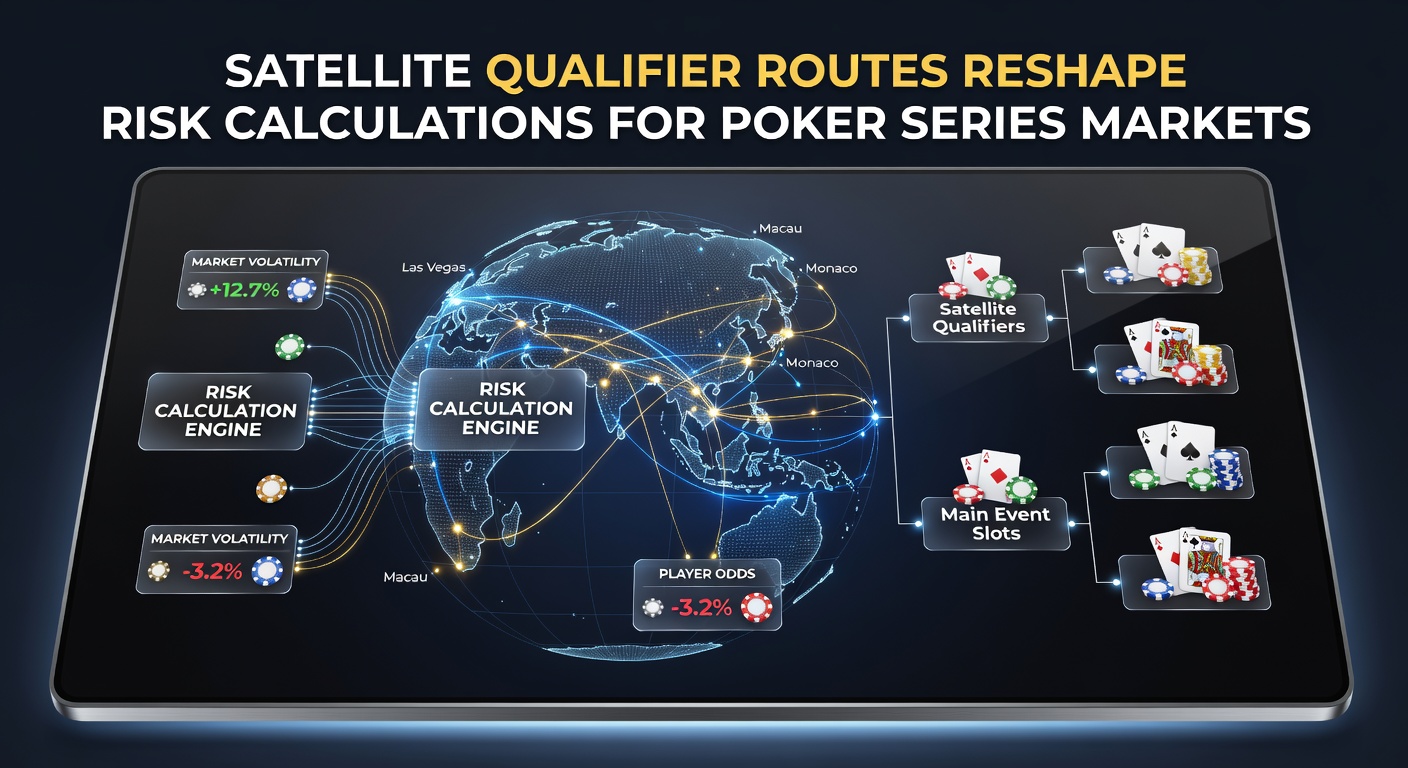
Qualifier routes now feed larger portions of entrants into flagship poker series and this shift forces sportsbooks to recalibrate exposure models that once relied on direct buy-in patterns alone. Data from the 2025 circuit already showed satellite players comprising 38 percent of main event fields at several stops and early projections for June 2026 events point to further growth in those percentages.
Mechanics Behind the Route Shift
Traditional direct-entry models allowed operators to forecast player pools with tighter variance because buy-in amounts stayed fixed and participant demographics remained relatively stable. Satellite structures introduce multiple layers of smaller-stake contests that feed winners upward and each layer carries its own probability curve which compounds when aggregated across an entire series calendar. Researchers tracking EPT and WSOP Circuit data note that satellite survivors often arrive with different stack-depth distributions and playing-time histories than direct entrants and these variables alter late-stage volatility assumptions used in pricing live props.
Recalibrating Exposure Frameworks
Bookmakers have responded by integrating multi-stage survival probabilities into their core algorithms rather than treating all entrants as equivalent units. One major European operator adjusted its main-event liability caps after satellite volume exceeded forecasts at the 2025 PokerStars Caribbean Adventure and similar adjustments appear in preliminary June 2026 pricing sheets. The new models weight each satellite path by historical conversion rates from that specific feeder event while also factoring in regional player pools that feed those satellites and this layered approach reduces overexposure on high-odds longshots who previously appeared undervalued.
Regional Differences in Satellite Impact
North American series continue to see the steepest satellite growth because online qualifiers remain widely available whereas certain Asian stops rely more on live satellite clusters that attract different bankroll profiles. Observers at the Venetian DeepStack series documented a 27 percent rise in satellite-fed entrants between 2024 and 2025 and the same pattern is expected to continue into 2026 when new feeder events launch in additional U.S. states. Australian operators meanwhile report steadier satellite ratios because local regulations limit online feeder volume yet the risk models still incorporate those paths because conversion rates differ measurably from direct-entry cohorts.

Live Prop Markets Feel the Ripple
Live betting markets that once priced chip-leader props and final-table survival odds now incorporate satellite-adjusted volatility bands. When a larger share of the field enters through low-stake routes the distribution of remaining stacks at the three-day mark widens and this forces oddsmakers to widen spreads on survival props while tightening margins on shorter-priced favorites who historically emerged from direct buy-ins. Figures released by the American Gaming Association show live poker prop handle rising 19 percent year-over-year at properties that host major series and analysts attribute part of that lift to refined satellite modeling that keeps lines sharper even as field compositions evolve.
Industry Data Sources Driving Updates
Academic researchers at the University of Nevada Reno Center for Gaming Research published a 2025 working paper that tracked 14,000 satellite participants across three series and found measurable differences in average survival duration compared with direct entrants. Operators cite that paper when updating their internal Monte Carlo simulations and several have begun feeding live hand-history feeds from satellite winners into real-time risk engines. A separate report from the Canadian Centre for Gaming Research reached similar conclusions using 2024-2025 WSOP Circuit data and both studies emphasize that satellite effects concentrate most heavily in the middle third of tournament fields where risk calculations traditionally showed the greatest variance.
Those updates matter because June 2026 schedules include expanded satellite calendars at both established and new venues and the aggregated liability across correlated events can exceed earlier estimates when multiple series run concurrently. Sportsbooks that integrate these regional conversion matrices report tighter overall exposure while still offering competitive limits on popular props.
Conclusion
Satellite qualifier routes continue to expand their share of major poker series fields and the resulting changes in player-pool composition require ongoing refinement of risk models used by operators. Data from 2025 already demonstrates measurable shifts in survival probabilities and volatility assumptions while preliminary planning for 2026 events shows these adjustments becoming standard practice. As satellite volume grows the distinction between direct and feeder entrants remains a central variable in how markets price exposure across the global poker calendar.