Satellite Qualifiers Alter Betting Landscapes in Major Poker Tournaments Worldwide
 Satellite routes have expanded entry points into flagship poker series, and this expansion coincides with measurable adjustments in wagering volumes across multiple international circuits. Data from 2025 events shows increased participation through online and live satellites, while sportsbooks report corresponding rises in prop bets tied to qualifier performance metrics. Observers note that these pathways bring larger numbers of mid-tier competitors into main events, which in turn shifts odds calculations and live betting patterns during early tournament stages. Tournament organizers across Europe, North America, and Asia-Pacific regions have documented steady growth in satellite entries since 2023. In May 2026, several series including the European Poker Tour stops and World Series of Poker Circuit events continue to allocate significant seat allocations through these qualifiers. This structure allows players to gain access at lower buy-in thresholds, and the resulting field compositions influence how oddsmakers set initial lines on player advancement and survival props.
Entry Volume Trends and Regional Data
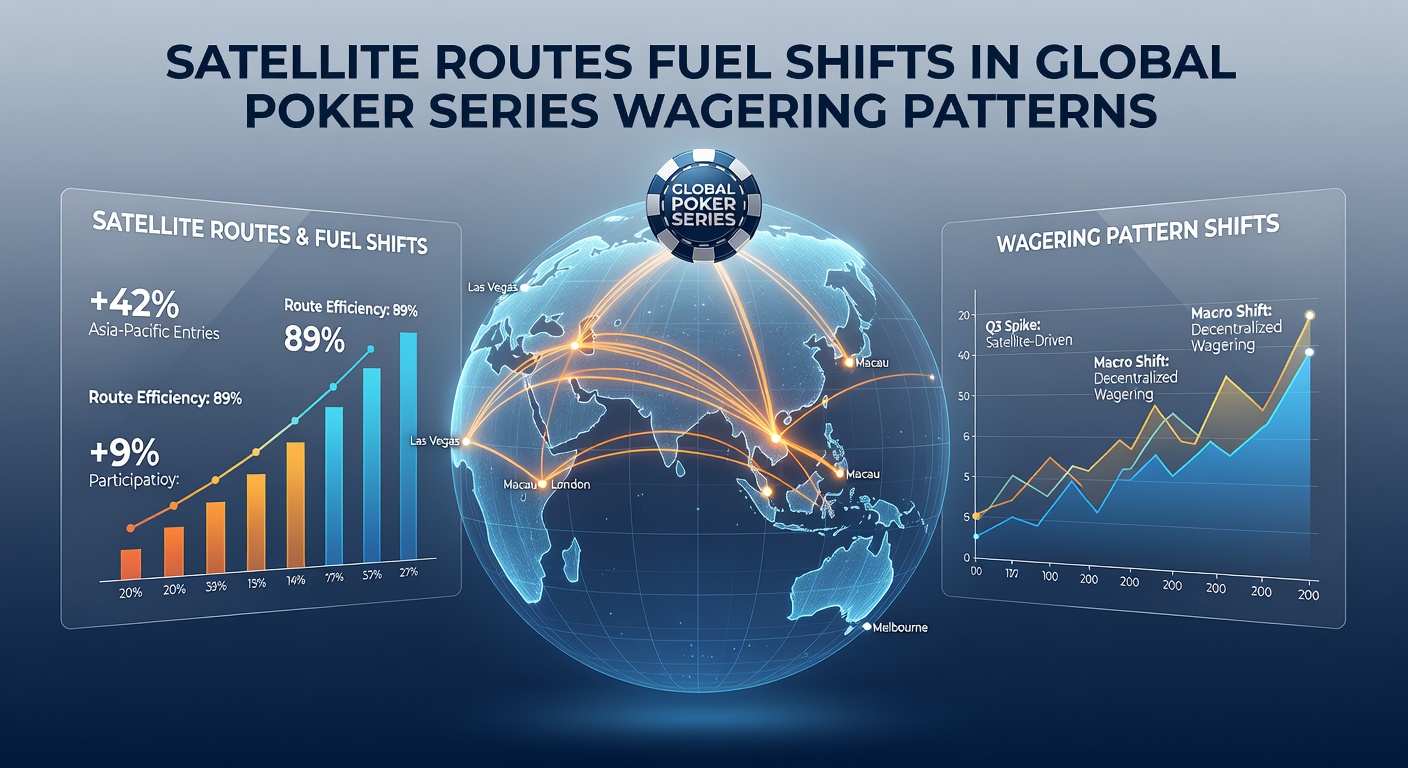
Figures compiled by industry tracking services indicate that satellite-derived entries now account for between 35 and 48 percent of total participants at selected high-profile stops. European events show the higher end of that range, whereas North American series hover closer to the midpoint. Researchers tracking these numbers observe that the influx correlates with expanded online satellite schedules offered through major platforms, and this availability extends reach into new geographic markets.
Betting operators adjust their offerings accordingly. Early-stage survivor props and first-day elimination markets receive higher handle when satellite-heavy fields enter play. Historical comparisons reveal that average bet sizes on these markets increased 22 percent year-over-year at comparable 2025 venues, according to aggregated operator reports.
Impact on Prop Bet Categories
Prop bets focused on deep runs and final-table appearances now incorporate additional variables related to satellite origin. Bettors place wagers on whether satellite qualifiers will outlast direct entrants, and these markets have generated distinct liquidity patterns. One study released by the University of Nevada Gaming Research Center found that satellite participants exhibit higher variance in early-stage survival rates, which directly affects the pricing of related props.
Live betting volumes also reflect these shifts. Hand histories from recent series demonstrate that satellite players often adopt different stack-preservation strategies during initial levels, and this behavior produces more predictable short-term outcomes for certain prop categories. Sportsbooks have responded by widening the range of available live wagers on position-specific actions and all-in frequencies.
Market Adjustments by Operators
Operators in regulated jurisdictions have introduced new data layers to their models. These layers track satellite win rates and progression percentages, then feed the information into real-time odds engines. Australian regulatory filings from late 2025 show that several licensed platforms increased satellite-related market offerings by 18 percent compared with the previous year, while maintaining compliance with responsible gambling standards set by the Australian Communications and Media Authority.
North American operators have followed a similar trajectory. Canadian provincial gaming authorities reported parallel growth in tournament-linked wagering products, with emphasis on granular player-origin data. This approach allows oddsmakers to differentiate between direct buy-ins and satellite paths when constructing lines.
Player Behavior Patterns
Those who have studied satellite routes note that participants often carry distinct bankroll and risk profiles into main events. These profiles translate into observable differences in preflop aggression metrics and fold frequencies during the opening hours of play. Wagering markets built around these metrics have therefore required recalibration to maintain balanced books.
Case examples from the 2025 World Poker Tour schedule illustrate the point. Multiple final tables featured disproportionate numbers of satellite advancers, and prop bet settlement data showed corresponding adjustments in payout distributions. Industry analysts continue to monitor whether these patterns stabilize or evolve further as satellite infrastructure expands.
Conclusion
Satellite pathways continue to modify both tournament field construction and the wagering products attached to those events. Regional data sets from 2025 through May 2026 demonstrate consistent correlations between entry composition and betting market behavior. Operators and researchers alike track these developments through expanded data collection, which supports ongoing refinement of pricing models across global poker series.