Wearable Sensor Data Creates Real-Time Metrics for Poker Festival Wagering
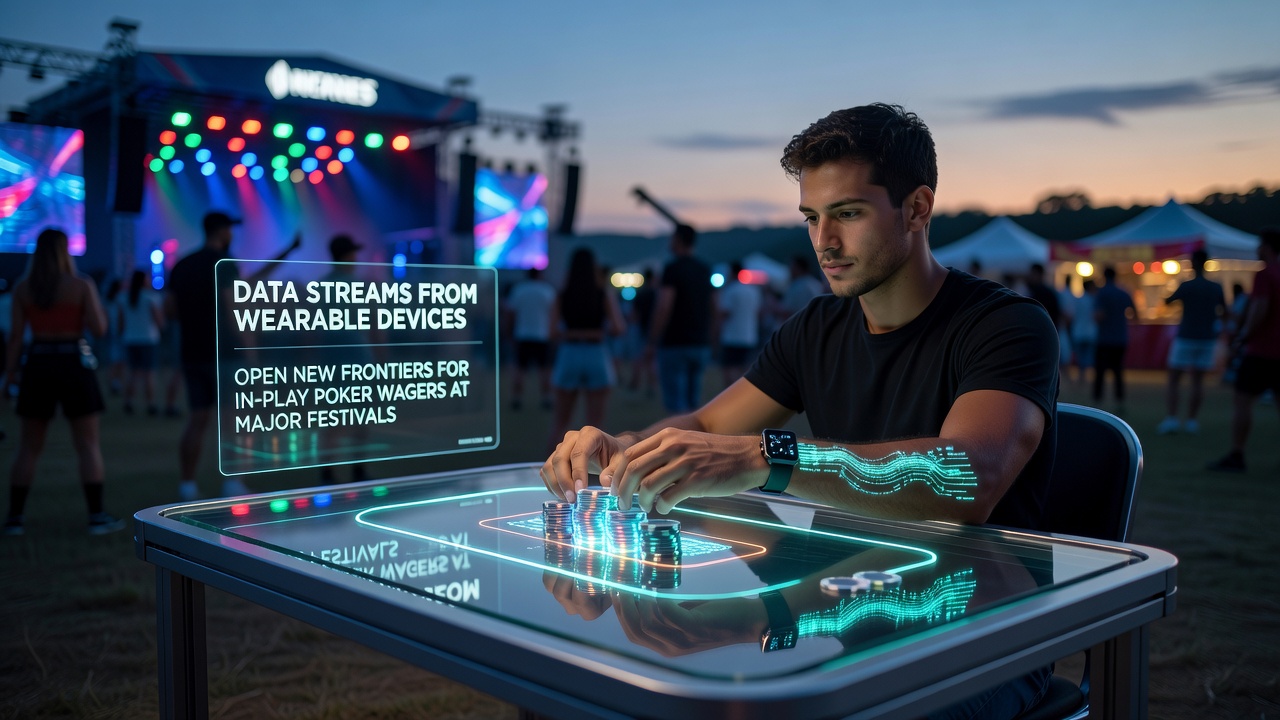
Players at large-scale poker festivals now generate continuous streams of physiological information through fitness bands and smart rings, and these feeds reach sportsbooks that convert heart-rate variability along with skin-conductance readings into live betting markets. Operators integrate the data with existing tournament software so that wagers on momentary stress levels or recovery patterns become available within seconds of each hand.
Biometric Inputs Driving New Bet Types
Heart-rate monitors capture spikes that coincide with all-in decisions, while accelerometers track posture shifts that often precede aggressive raises. Bookmakers combine these signals with chip-count updates to offer propositions such as “player heart rate exceeds 110 bpm within the next three hands.” Data shows these micro-markets attract volume from bettors who previously focused only on final-table outcomes.
Research conducted at the University of Nevada, Las Vegas gaming laboratory indicates that average heart-rate elevation during deep runs at the World Series of Poker can reach 25 percent above baseline, and the same study logged corresponding increases in wager frequency when that metric appeared on betting interfaces. Observers note that the correlation holds across multiple festival sites, including events scheduled for July 2026 in Las Vegas and Barcelona.
Integration With Festival Infrastructure
Major venues have begun embedding low-latency networks that relay encrypted biometric packets from player wristbands directly to sportsbook servers. Tournament directors supply anonymized identifiers so personal medical details remain protected while still allowing odds to update in real time. This setup lets bettors place wagers on recovery speed between rounds without accessing any individual health records.
Regulatory Frameworks Across Regions
The Nevada Gaming Control Board requires operators to maintain audit trails that separate biometric data from financial transaction logs, whereas the Australian Communications and Media Authority mandates independent third-party verification of algorithm fairness before such markets launch. Canadian provincial regulators have adopted similar disclosure rules, ensuring that wearable-derived odds receive the same scrutiny applied to traditional sports propositions.
One operator that partnered with a European gaming association reported processing more than 180,000 biometric-triggered bets during a single week-long festival in 2025, with average bet sizes remaining consistent with pre-existing in-play poker products. The same figures reveal that settlement times dropped below four seconds once direct sensor feeds replaced manual data entry.
Technical Architecture Behind Live Markets
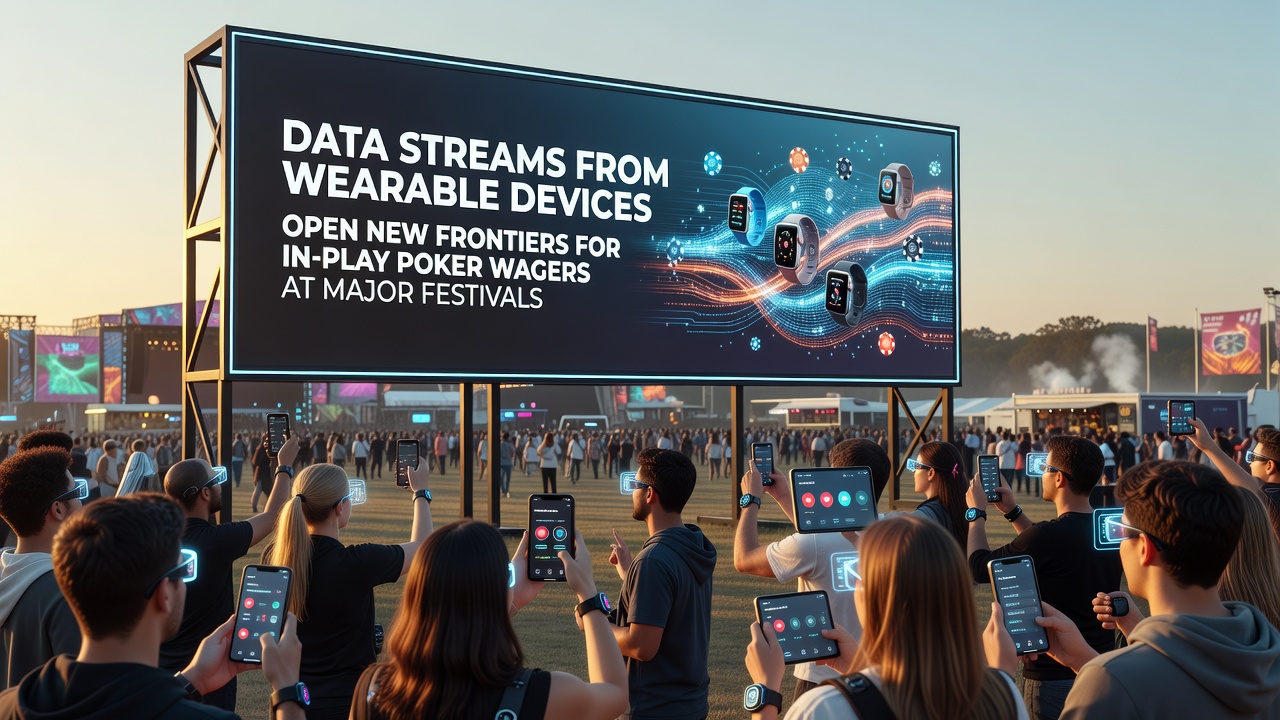
Wearable manufacturers supply application programming interfaces that stream raw photoplethysmography waveforms at 25 hertz, and sportsbook developers apply proprietary filters to extract features such as root-mean-square of successive differences. These derived values feed into pricing engines that adjust odds continuously, creating a feedback loop where market movement itself can influence displayed metrics on public screens around the festival floor.
Academic papers published through the International Center for Gaming Regulation document that latency between sensor capture and odds display averages 1.8 seconds under festival network loads, a threshold that satisfies most regulatory requirements for “live” designation. Engineers continue to test edge-computing nodes placed directly inside tournament rooms to shave additional milliseconds from that interval.
Player Adoption and Data Governance
Participants receive clear consent forms before receiving festival-issued wearables, and they retain the option to pause transmission during any break. Those who decline still compete without restriction, although their absence from biometric markets removes certain prop-bet opportunities for spectators. Industry reports from the European Gaming and Betting Association show voluntary participation rates above 70 percent at events that offered the devices in 2025.
Security protocols employ end-to-end encryption plus tokenization so that even if a data packet is intercepted, it cannot be linked back to a named individual without the separate player-ID key held by tournament staff. This dual-key system satisfies privacy statutes in both the United States and the European Union.
Future Expansion at July 2026 Festivals
Organizers preparing for the 2026 summer schedule have announced plans to extend the same data pipeline to ancillary events such as satellite tournaments and side-game cash tables. Early specifications include optional blood-oxygen and sleep-quality metrics collected the night before each session, metrics that could generate overnight proposition markets for bettors in different time zones.
Testing conducted at a smaller regional festival in March 2026 confirmed that adding oxygen-saturation data produced stable new markets without increasing dispute rates above baseline levels recorded for standard in-play poker wagers.
Conclusion
Data streams originating from wearable devices have moved from experimental pilots to operational components of poker-festival wagering ecosystems. Regulatory bodies across multiple jurisdictions now publish technical standards that accommodate these feeds while preserving player privacy and market integrity. As July 2026 approaches, additional festivals are expected to adopt similar architectures, expanding the range of measurable physiological signals that can underpin live betting propositions.