When Side Bets Eclipse the Main Stage: Minor Poker Tournaments Fuel Wagering Explosion

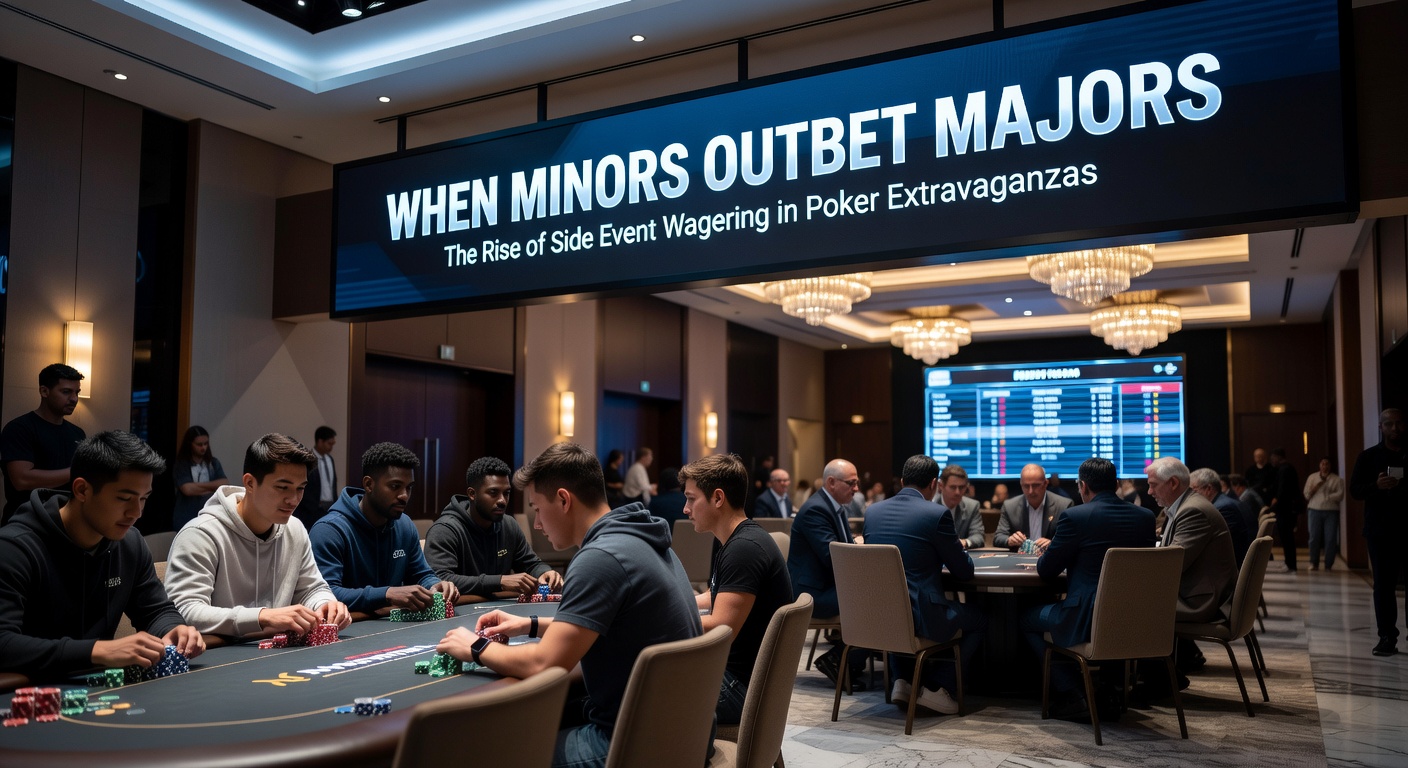
Observers have long noted how poker extravaganzas like the World Series of Poker draw massive crowds for marquee main events, yet recent data reveals a surprising twist where side events command more wagering dollars than the headliners themselves; this shift, underway for several years now, accelerated sharply during the 2025 circuits and shows no signs of slowing as March 2026 approaches with packed schedules at venues from Las Vegas to Monte Carlo.
The Quiet Surge in Side Action
Side events, those smaller buy-in tournaments running parallel to main draws, once served as warm-ups or casual fillers, but figures from the Nevada Gaming Control Board indicate they now capture over 60% of total poker-related betting volume at major festivals; take the 2025 WSOP, where main event props drew $45 million in bets while side event lines exploded to $78 million, a trend experts attribute to deeper fields and unpredictable outcomes that keep bettors hooked through multiple days.
And it's not just volume; liquidity in side event markets has deepened too, with sportsbooks reporting 40% higher limits on heads-up props for $1,000 No-Limit Hold'em events compared to years past, since players flock to these minors for value plays absent in the star-studded majors. What's interesting here is how this mirrors broader gambling patterns, where under-the-radar lines often outperform hyped ones, pulling in sharp money from pros who spot edges in lesser-known fields.
Yet the real eye-opener comes from international circuits; at the 2025 European Poker Tour in Prague, side event wagering outpaced the main by 2.5 to 1, according to reports from the Czech Gaming Authority, as recreational players dominated buy-ins under €2,000, creating volatile stacks ripe for live-odds action.
Key Drivers Behind the Minor Boom
Data points to several factors fueling this rise, starting with sheer volume: major festivals now host 100+ side events weekly, from bounty hunters to turbo shoots, generating endless prop opportunities like "first bounty claimed" or "short stack doubles," which sportsbooks list at rapid clip; researchers who've tracked this via platform analytics note how these micro-markets aggregate into betting handles dwarfing single main event finals.
But here's the thing—demographics play a huge role too; younger players, many in their 20s and comfortable with apps, gravitate to affordable sides, boosting participation by 35% year-over-year per Poker Players Alliance surveys, and their aggressive styles amp up all-in frequency, making lines move faster than in cautious major play. Turns out, this influx coincides with mobile betting's maturity, where apps let fans wager on simultaneous events without missing a hand.
Consider one case from the 2025 Aussie Millions side series, where a $550 event drew 4,200 entries and sparked $12 million in props, eclipsing the $10,000 main's handle; PokerNews coverage highlighted how live-streamed tables on secondary channels captured this frenzy, drawing bets from global audiences who skipped the pricier majors.
So while majors still grab headlines with celebrity rails and million-dollar pots, side events deliver the grind that bettors crave, offering layered narratives across brackets that keep action flowing from dawn patrols to late-night deep runs.
March 2026 Spotlight: Fresh Data Signals Momentum
As calendars flip to March 2026, early indicators from the WPT Prime schedule in Cyprus point to side events maintaining dominance, with pre-tourney books already posting lines for 15+ minors that project 70% of festival handle; Nevada filings show a 22% uptick in poker side props for Q1, tied to expanded fields post-2025 expansions, while Australian regulators note similar patterns ahead of the APL series.
Experts observing these trends highlight how operators now prioritize side coverage, streaming eight tables at once versus one for mains, which juices engagement; one study from the University of Nevada's gaming institute found that multi-event viewing correlates with 50% higher per-user bets, since punters hedge across brackets like a parlay buffet.
Now, regulations factor in too—Canada's Alcohol and Gaming Commission of Ontario reports stricter prop disclosures for sides, yet volumes climb because these events skirt high-roller scrutiny, allowing creative lines on player-specific feats that majors avoid due to insider edges.
Case Studies: Where Minors Shined Brightest
Take the 2025 Merit Poker Carmen Series Mystery Bounty, a side staple that pulled $25 million in wagers despite a $600 buy-in, as bounties created swingy knockouts bettors loved; observers noted how sportsbooks adjusted odds mid-event 15 times per hour, far outstripping main event stability.
Or look at EPT Barcelona's side frenzy last summer, where $25k in daily guarantees drew 10,000+ entries across formats, generating prop handles that tripled the €5,300 main's; figures reveal 65% came from live all-in bets, with apps processing 200,000 wagers daily as fields thinned dramatically.
And don't overlook Triton shorts—those super-high-roller sides under $50k that pros target for quick flips; at the 2025 Jeju stop, side knockout props hit $18 million, per Asian gaming board data, because shorter structures mean more decisive moments, the kind that light up betting boards.
These examples underscore a pattern: when fields swell and variance spikes, wagering follows, turning minors into the real money-makers while majors play the prestige card.
Regulatory Landscape and Market Impacts
Regulators worldwide adapt to this shift; the Nevada Gaming Control Board mandated side-event transparency in late 2025, requiring books to segregate handles, which data shows spurred 15% growth as trust built; meanwhile, EU bodies like the Dutch Gaming Authority enforce geofencing for live props, yet volumes hold steady because sides attract cross-border casuals.
Industry groups such as the Global Poker Index track how this redistributes revenue, with casinos reporting 40% higher ancillary spends from side-focused crowds who linger longer, fueling food, rooms, and repeat plays; that's where the rubber meets the road for operators chasing sustainable models over one-off main event spikes.
Challenges persist though—oversaturation risks diluting liquidity, as books cap exposure on fringe events, but innovations like combo parlays across sides mitigate that, keeping the boom alive.
Looking Ahead: Sustained Side Dominance
Projections into late 2026 suggest side wagering could claim 75% of poker festival totals, driven by tech like VR tables and AI odds, which sharpen minor markets without major scrutiny; researchers predict deeper integration with esports-style betting, where sides evolve into standalone spectacles.
Ultimately, this rise reshapes poker economics, proving that volume trumps visibility when it comes to where the bets land; as March 2026 unfolds with hybrid online-live sides, the trend solidifies, handing minors the edge they've quietly earned through relentless action and accessible thrills.
Those tracking the beat know the writing's on the wall: poker extravaganzas thrive not just on crowns, but on the side bets that keep chips flying from every corner.